
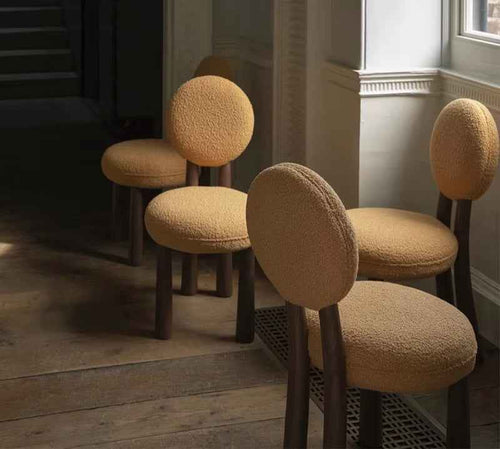
A luxury chair is more than an attractive piece of furniture. Its quality is influenced by the materials used in its frame, upholstery, cushioning, mechanisms, and finishing. In high-end seating, every material has a role to play from creating long-term durability and ergonomic support to contributing to the chair's visual character.
Whether you're furnishing a modern home, executive office, hospitality space, or commercial interior, understanding the materials used in high-end luxury chairs can help you make a more informed choice.
Premium chairs often combine carefully selected materials rather than relying on one expensive component. A well-designed chair may use a strong structural frame, high-quality upholstery, supportive foam, durable hardware, and carefully engineered ergonomic components.
At Chair Collective, the focus is on creating seating where comfort, contemporary aesthetics, durability, and responsible material choices come together. The result is furniture designed not just to fill a space, but to become part of the experience of using it.
What Materials Are Used in High-End Luxury Chairs?
High-end luxury chairs can incorporate a variety of materials depending on their design and intended application.
Some of the most common include:
- Solid wood
- Engineered wood
- Metal
- Aluminium
- High-performance polymers
- Premium leather
- Performance fabrics
- Natural fabrics
- High-density foam
- Memory foam
- Mesh
- Stainless steel
- Premium plastics
- Recycled or responsibly sourced materials
The quality of the final chair depends not only on the individual materials but also on how they are combined and engineered.
1. Premium Leather
Leather has long been associated with luxury furniture because of its distinctive appearance, tactile quality, and durability.
High-quality leather can develop a unique patina over time, giving the chair additional character as it ages.
Why Is Leather Used in Luxury Chairs?
Premium leather can offer:
- Sophisticated appearance
- Comfortable tactile feel
- Durability
- Easy maintenance when properly cared for
- Timeless visual appeal
- Natural variation and character
Leather is particularly popular in executive chairs, lounge chairs, dining chairs, and statement seating.
However, not all leather is identical. Different grades, finishes, tanning processes, and treatments can significantly influence appearance, durability, and feel.
When buying a premium leather chair, it is worth asking about the type and quality of leather rather than assuming every leather chair offers the same performance.
2. High-Performance Fabrics
Luxury chairs are increasingly available in premium fabric upholstery.
Modern performance fabrics can provide an appealing combination of softness, durability, stain resistance, and design flexibility.
Depending on the fabric, characteristics may include:
- Resistance to everyday wear
- Easy maintenance
- Breathability
- Soft texture
- Colour stability
- Resistance to staining
- Wide range of colours and patterns
Fabric can also make it easier to create a chair that complements contemporary interior design.
For homes, offices, restaurants, hotels, and other commercial spaces, performance fabrics can be particularly practical because the upholstery needs to withstand regular use.
3. Solid Wood
Wood remains a popular material in luxury chairs, particularly in dining chairs, lounge chairs, accent chairs, and classic-inspired designs.
Premium hardwoods can provide:
- Structural strength
- Natural character
- Warm visual appeal
- Long-term durability
- Unique grain patterns
Wood can also be finished in different ways to create a variety of aesthetic effects, from natural and understated to dark and sophisticated.
The quality of a wooden chair depends on factors such as wood selection, construction, joinery, finishing, and overall design.
4. Engineered Wood
Engineered wood can also be used in premium furniture construction.
Depending on the design, engineered wood products can provide dimensional stability and consistency while allowing manufacturers to create complex shapes.
When appropriately engineered and finished, these materials can contribute to durable furniture without compromising the overall aesthetic.
The key is not simply whether a chair contains engineered wood, but whether the material is appropriate for its structural role and has been properly engineered.
5. Metal
Metal is widely used in contemporary luxury chairs because it can provide structural strength while supporting clean, modern designs.
Common options include:
- Steel
- Stainless steel
- Aluminium
Metal can be used in chair frames, bases, legs, arm structures, and adjustment mechanisms.
Why Is Metal Popular in Modern Luxury Seating?
It can offer:
- Structural strength
- Durability
- Modern aesthetics
- Design flexibility
- Resistance to everyday wear
Polished, brushed, powder-coated, or textured finishes can give metal components very different visual personalities.
6. Aluminium
Aluminium is valued in furniture design because it combines strength with relatively low weight.
It can be particularly useful for contemporary seating where designers want a lightweight appearance without sacrificing structural performance.
Depending on the design, aluminium may be used for:
- Chair frames
- Bases
- Arms
- Structural supports
- Outdoor seating
Its corrosion resistance can also make it useful for certain indoor and outdoor furniture applications.
7. High-Density Foam
The upholstery may be what customers notice first, but the cushioning underneath plays a major role in determining comfort.
High-density foam is commonly used in quality seating because it can provide a balance of support, comfort, and durability.
The density and firmness of foam can influence how the chair feels when sitting for extended periods.
For ergonomic seating, cushioning needs to work together with the chair's geometry and support structure rather than being considered separately.
8. Memory Foam
Some premium seating designs incorporate memory foam or other pressure-responsive cushioning materials.
Memory foam can conform to the user's body and help create a softer, more personalized sitting experience.
It may be used in:
- Seat cushions
- Backrests
- Lounge chairs
- Premium office seating
However, the right cushioning material depends on the intended use. A material that feels comfortable for a lounge chair may not necessarily be ideal for a task chair used for several hours every day.
9. Mesh
Mesh has become particularly popular in premium ergonomic office chairs.
It allows air to circulate through the backrest, which can make it more comfortable for users who sit for extended periods.
Quality mesh can provide:
- Breathability
- Flexible back support
- Lightweight appearance
- Contemporary aesthetics
- Reduced heat buildup
The quality of the mesh, tension, frame, and ergonomic design all affect the final experience.
A mesh chair is not automatically ergonomic simply because it uses mesh. The overall geometry and support system remain important.
10. Stainless Steel and Premium Hardware
The smaller components of a chair can have a major effect on its durability.
High-quality hardware may be used in:
- Adjustment mechanisms
- Hinges
- Bases
- Structural connections
- Reclining mechanisms
- Armrest systems
Stainless steel and other durable metals can be selected for applications where strength and resistance to wear are important.
In a high-end chair, these components should work smoothly and reliably rather than simply looking premium.
11. Premium Polymers
Modern furniture design increasingly uses advanced polymers for components such as:
- Armrests
- Chair backs
- Structural supports
- Bases
- Adjustment components
High-quality polymers can provide design flexibility, durability, and lower weight.
They can also allow designers to create shapes that would be difficult or expensive to produce using traditional materials.
12. Sustainable and Recycled Materials
Luxury furniture is increasingly being influenced by sustainability.
Depending on the product, manufacturers may incorporate:
- Recycled plastics
- Recycled metals
- Responsibly sourced wood
- Recycled fabrics
- Lower-impact materials
- Materials designed for longer product life
Sustainability in furniture should not simply mean using recycled material. Product longevity, repairability, responsible sourcing, manufacturing processes, and end-of-life considerations can all contribute to a more responsible approach.
How Do Materials Affect Chair Comfort?
Materials are closely connected to comfort, but material quality alone does not determine whether a chair will feel comfortable.
Comfort can depend on the combination of:
Frame + cushioning + upholstery + ergonomics + proportions + support
For example, two chairs may use similar upholstery but feel completely different because their seat depth, back angle, cushioning firmness, lumbar support, or armrest position differs.
This is particularly important when choosing ergonomic chairs for offices or workspaces.
How Do Materials Affect Chair Durability?
The durability of a luxury chair depends on the interaction between its materials and construction.
A durable chair typically requires:
- Strong structural components
- Appropriate upholstery
- Quality cushioning
- Reliable hardware
- Good joinery
- Appropriate finishing
- Proper maintenance
For commercial environments such as hotels, restaurants, offices, and reception areas, material selection becomes even more important because chairs may experience significantly higher levels of daily use.
What Materials Are Best for Luxury Office Chairs?
Luxury office chairs often combine several materials to balance ergonomics, durability, and aesthetics.
A premium ergonomic chair may include:
- Metal or reinforced frame
- High-quality mesh or fabric
- High-density foam
- Adjustable armrests
- Durable base
- High-quality casters
- Precision adjustment mechanisms
For executive office chairs, leather or premium upholstery may be combined with a strong frame and sophisticated adjustment mechanisms.
The best choice depends on how the chair will be used.
What Materials Are Best for Luxury Dining Chairs?
Luxury dining chairs commonly use materials such as:
- Solid wood
- Premium leather
- Performance fabric
- Metal
- High-quality foam
- Upholstered padding
For dining spaces, appearance is important, but everyday practicality should also be considered.
For example, a chair used in a busy restaurant may require upholstery that is easier to maintain and resistant to frequent use.
How Should You Choose Materials for Commercial Seating?
Commercial furniture has different requirements from occasional residential seating.
Before choosing chairs for an office, hotel, restaurant, café, or other commercial environment, consider:
Frequency of Use
Will the chair be used occasionally or continuously throughout the day?
Maintenance
Can the upholstery be cleaned and maintained easily?
Durability
Are the frame, hardware, and upholstery appropriate for frequent use?
Ergonomics
Will users sit in the chair for extended periods?
Design
Does the material complement the interior?
Sustainability
Does the product align with the organization's environmental objectives?
Choosing materials based on the actual environment can help extend furniture life and maintain its appearance.
Why Material Selection Matters at Chair Collective
At Chair Collective, seating is approached as a combination of ergonomics, design, comfort, durability, and responsible thinking.
The brand's philosophy is centered on creating chairs that work equally well as functional seating and as expressive pieces within a space.
This perspective is reflected in furniture designed for both residential and commercial environments, where material selection has to balance aesthetics with everyday performance.
Rather than treating materials as purely decorative elements, the goal is to combine them thoughtfully so that the finished chair delivers a comfortable experience while maintaining its visual appeal and durability.
From contemporary ergonomic seating to statement pieces, material choices can help define the personality of a chair while supporting its practical purpose.
How to Tell If a Luxury Chair Is Actually High Quality
A high price does not automatically mean a chair is high quality.
When evaluating a premium chair, look beyond the appearance.
Check the Frame
Look for sturdy construction and materials appropriate for the chair's intended use.
Examine the Upholstery
Check the quality, texture, stitching, finishing, and suitability of the upholstery for the environment.
Test the Cushioning
Sit on the chair and assess whether the cushioning provides appropriate support without feeling excessively soft or rigid.
Inspect the Hardware
Adjustment mechanisms, hinges, bases, and other hardware should operate smoothly.
Consider Ergonomics
For work chairs, evaluate lumbar support, seat height, armrests, back support, and adjustability.
Ask About Materials
A premium furniture brand should be able to provide information about the materials used in its products.
Consider Longevity
A well-made chair should be designed for long-term use rather than simply looking impressive when new.
Final Thoughts
The materials used in a high-end luxury chair influence much more than its appearance.
Leather can add sophistication, fabric can provide versatility, wood can introduce warmth, metal can provide structural strength, mesh can improve breathability, and high-quality cushioning can enhance comfort.
But the true quality of a chair comes from how these materials work together with ergonomic design, engineering, construction, and finishing.
When choosing luxury seating, consider how the chair will actually be used and whether its materials are appropriate for that environment.
At Chair Collective, the emphasis is on bringing together comfort, contemporary design, durability, and thoughtful material choices to create seating for modern homes and commercial spaces.
A truly high-end chair should not simply look luxurious, it should feel comfortable, perform reliably, and remain relevant for years to come.
Frequently Asked Questions
What materials are commonly used in high-end luxury chairs?
High-end chairs may use premium leather, performance fabrics, solid or engineered wood, steel, aluminium, high-density foam, mesh, premium polymers, stainless steel, and other specialized materials depending on the design and intended use.
Is leather better than fabric for a luxury chair?
Neither is universally better. Leather offers a distinctive premium appearance and can develop character over time, while high-quality fabrics can provide greater design variety, softness, and practical performance. The best option depends on the chair's environment and intended use.
What makes a luxury chair durable?
Durability depends on the combination of frame construction, upholstery, cushioning, hardware, joinery, finishing, and overall engineering. Proper maintenance and using the chair as intended also contribute to its lifespan.
What is the best material for a luxury office chair?
There is no single best material. Premium office chairs often combine materials such as mesh or fabric, metal, high-density foam, durable polymers, and quality hardware to balance ergonomics, comfort, and durability.
Are high-density foam chairs more comfortable?
High-density foam can provide good support and durability, but comfort also depends on firmness, chair geometry, seat depth, back support, and the user's individual preferences.
Why is mesh used in premium ergonomic chairs?
Mesh allows airflow through the backrest and can provide flexible support. It is particularly useful for people who spend extended periods sitting, although the chair's overall ergonomic design remains more important than the material alone.
Are sustainable materials suitable for luxury furniture?
Yes. Sustainable or recycled materials can be incorporated into premium furniture when they are appropriately selected and engineered. Sustainability can also involve responsible sourcing, product longevity, repairability, and efficient manufacturing.
What should I check before buying a high-end chair?
Consider the chair's frame, upholstery, cushioning, hardware, ergonomics, adjustability, intended use, maintenance requirements, material quality, and expected durability. For commercial seating, also consider how frequently the chair will be used.
Why are premium chairs more expensive?
The price of a premium chair can reflect factors such as material quality, ergonomic engineering, manufacturing processes, hardware, craftsmanship, durability, design development, and finishing. A higher price alone, however, does not guarantee better quality.
What makes Chair Collective different from ordinary furniture brands?
Chair Collective approaches seating as more than functional furniture, combining ergonomic thinking, contemporary aesthetics, comfort, durability, and thoughtful material choices. Its collection is designed for both homes and commercial spaces, with an emphasis on creating chairs that contribute to the overall character of a space.